
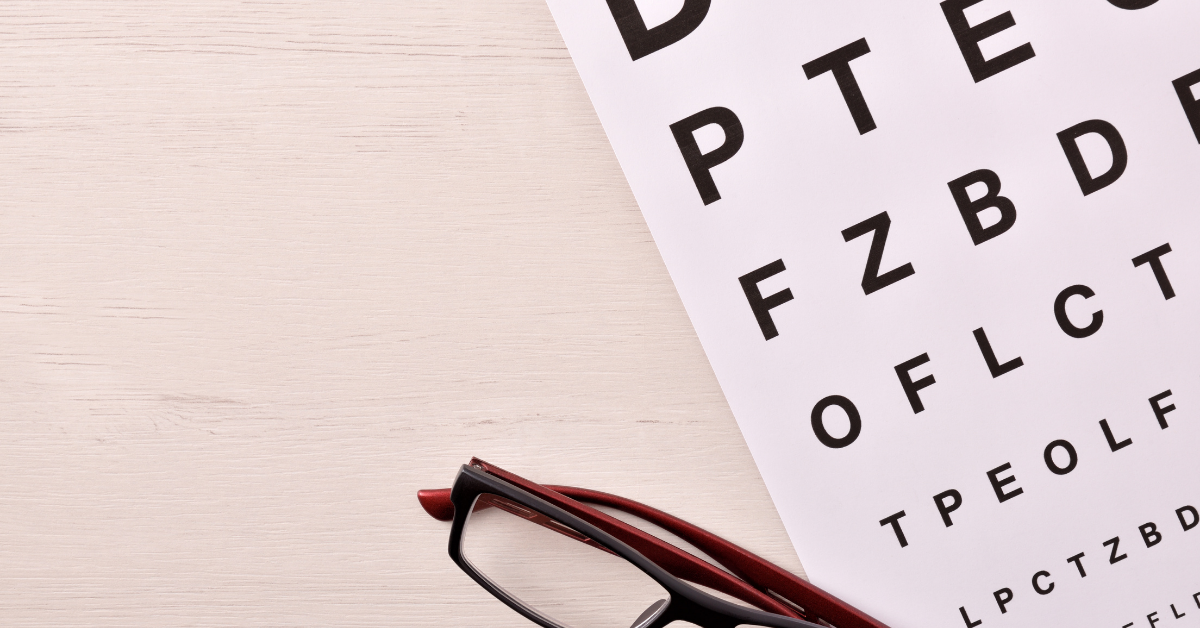
When a candidate receives a Notice of Proposed Disqualification (NOPD), one of the first concerns is whether bad eyesight automatically prevents them from moving forward in the NYPD hiring process. For many applicants, especially those early in their careers, the question is not just about vision. It is about whether the opportunity is still within reach.
At Disqualification Appeals, our team works with candidates who are navigating the NYPD disqualification process and trying to understand how medical findings, including vision, are evaluated. The answer is more precise than most people expect. The New York City Police Department does not disqualify candidates based on general terms like poor eyesight or very poor eyesight. Instead, it relies on defined testing standards and measurable criteria.
Understanding how those standards work and how they apply to a proposed medical disqualification is the first step toward determining what options may be available.
What Are the NYPD Vision Requirements?
The NYPD vision requirements are based on specific acuity thresholds and functional testing, not general descriptions such as bad eyesight or poor vision. In most cases, candidates are expected to demonstrate uncorrected vision of at least 20/100 in each eye and corrected vision of at least 20/30.
Each eye is evaluated separately during the NYPD vision test. This matters for candidates with poor eyesight in one eye, since a difference between eyes does not automatically result in disqualification if the overall standard is met.
Beyond visual acuity, the department also evaluates peripheral awareness and color differentiation. These elements are essential for situational awareness, response time, and safe performance in the field. While similar to broader police vision requirements used across jurisdictions, the NYPD applies its own defined standards during the NYPD hiring process.
How the NYPD Vision Test Is Evaluated
The NYPD vision test is designed to measure performance under controlled conditions. It does not rely on how a candidate describes their eyesight, such as saying “I have really bad eyesight” or “my vision is poor.” Instead, it focuses on measurable outcomes.
Visual acuity is tested for each eye to determine both corrected and uncorrected performance. Color vision is assessed to ensure that candidates can distinguish signals and visual cues accurately. Peripheral vision is also evaluated, as limitations in this area can affect awareness and safety during active duties.
If a candidate’s results fall outside of the NYPD’s eyesight requirements, the department may issue a Notice of Proposed Disqualification. This is part of the NYPD disqualification process and is classified as a proposed medical disqualification, alongside proposed psychological disqualification and proposed character disqualification.
Can You Join the NYPD With Bad Eyesight?
Having bad eyesight does not automatically disqualify a candidate. The determining factor is whether the candidate’s vision can meet NYPD vision requirements when tested, particularly with correction.
Many candidates qualify while wearing glasses or contact lenses. The key requirement is that corrected vision reaches at least 20/30. In practical terms, the question is not simply “how bad is my eyesight,” but whether the eyesight meets the required standard during evaluation.
Candidates with very poor eyesight that cannot be corrected to acceptable levels may face a proposed medical disqualification. In those situations, the evaluation is based on functional performance rather than general labels.
Is 20/40 Eyesight Bad Under NYPD Standards?
Outside of law enforcement, 20/40 eyesight is often described as mild visual impairment. Within the NYPD eyesight requirements, 20/40 does not meet the uncorrected standard, since candidates are generally required to have at least 20/100 uncorrected vision in each eye.
This distinction is important. A candidate with 20/40 eyesight may still qualify if their corrected vision meets or exceeds 20/30 and all other aspects of the NYPD vision test are passed, including color vision and peripheral evaluation.
What Happens After a Vision-Related Disqualification?
If a candidate does not meet the required standards, the NYPD may issue a Notice of Proposed Disqualification. This does not mean the process is over. It marks the beginning of a response stage within the NYPD hiring process.
A proposed medical disqualification is one of three primary categories of police officer disqualification. The others include proposed psychological disqualification and proposed character disqualification. Each category follows its own review path, but all require a clear understanding of the basis for the decision.
At Disqualification Appeals, we assist candidates in reviewing the findings associated with their Notice of Proposed Disqualification. This includes examining how the NYPD vision test was interpreted, what documentation was considered, and whether additional information may be relevant to the evaluation.
Candidates from the Bronx, Brooklyn, Manhattan, Queens, and Staten Island, as well as Nassau County and Suffolk County, often face similar questions when navigating this process. Each case depends on its facts, including medical documentation and test results, which must be carefully reviewed before determining next steps.
Frequently Asked Questions About Bad Eyesight and NYPD Vision Requirements
What is poor eyesight?
Poor eyesight is a general description used to indicate reduced visual clarity. It is not a formal standard used in the NYPD hiring process. The department relies on measurable results from the NYPD vision test rather than descriptive terms.
What is considered poor eyesight?
Poor eyesight generally refers to vision that falls below commonly accepted acuity levels, often below 20/40. In the context of NYPD vision requirements, the term itself does not determine eligibility. What matters is whether the candidate’s vision meets the required thresholds, including at least 20/100 uncorrected and 20/30 corrected.
What causes poor eyesight?
Poor eyesight can result from refractive errors, structural differences in the eye, or other medical conditions. While these causes explain why vision may be reduced, the NYPD evaluation focuses on how the eyesight performs during testing rather than the underlying cause alone.
Why do some people have bad eyesight?
Bad eyesight can develop due to hereditary factors or environmental influences. In a police hiring context, the presence of reduced vision is evaluated through standardized testing, not general explanations of why it occurs.
What are the symptoms of poor eyesight?
Symptoms of poor eyesight may include blurred vision, difficulty focusing, or eye strain. While these symptoms indicate a potential issue, NYPD eligibility is determined through objective testing rather than reported symptoms.
Can you have poor eyesight in one eye and still qualify?
Candidates with poor eyesight in one eye may still qualify if overall vision meets NYPD eyesight requirements. Each eye is tested separately, and the final determination is based on whether the combined results satisfy the required standards.
What are the NYPD’s color vision requirements?
NYPD color vision requirements ensure that candidates can accurately distinguish colors that are critical for safety and communication. This includes recognizing signals, identifying hazards, and interpreting visual information in real time. Failure to meet this requirement may contribute to a proposed medical disqualification.
How bad is my eyesight?
The severity of eyesight can only be determined through a formal eye examination. For NYPD candidates, the key measurement is how the eyesight performs during the official NYPD vision test and whether it meets the required criteria.
Why is my eyesight bad?
This question often reflects a personal concern rather than a specific diagnosis. Factors such as genetics, eye shape, and long-term visual strain can all contribute to reduced vision. For NYPD candidates, the relevant issue is whether the eyesight meets the required standards during evaluation.
Understanding Your Options After an NYPD Vision Disqualification
Receiving a Notice of Proposed Disqualification based on vision can feel like a final decision, but it is part of a larger process. Understanding how NYPD vision requirements were applied and how the results were interpreted is essential before deciding what to do next.
At Disqualification Appeals, our team works with candidates to review their situation, clarify the findings, whether it is a proposed medical disqualification, proposed psychological disqualification, or a proposed character disqualification. We then determine how to approach the next stage of the NYPD disqualification process. Each case is evaluated individually, based on the specific facts, documentation, and testing involved.
Taking the time to understand the process can make a meaningful difference in how a candidate moves forward. Contact us today and let us help you take the next step.