
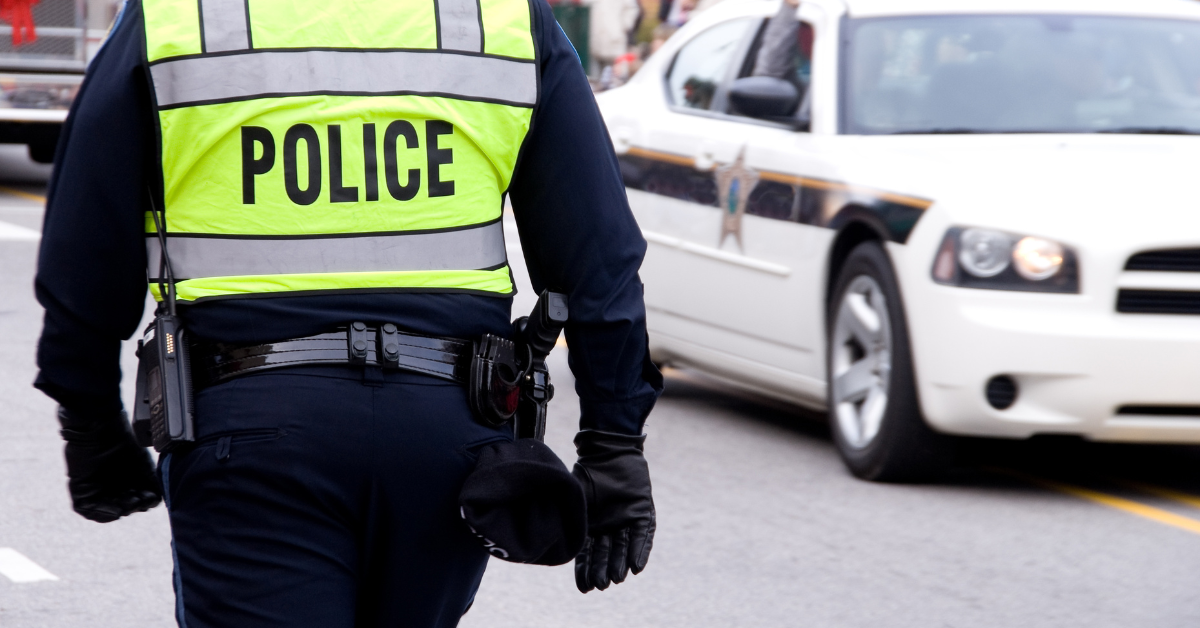
If you are pursuing a career in law enforcement, you may find yourself asking a straightforward question. “Can police officers drink alcohol?” On its face, the answer appears simple. Police officers are adults, and adults may legally consume alcohol. However, within the context of law enforcement standards, background investigations, and disciplinary review, the issue becomes far more nuanced.
At Disqualification Appeals, alcohol-related findings frequently arise in cases involving character determinations, psychological evaluations, or medical reviews. For applicants going through the Civil Service Law Enforcement exam process, as well as current officers facing scrutiny after an incident, alcohol-related conduct is rarely evaluated in isolation. Departments examine judgment, responsibility, candor, and overall fitness for public service.
In some cases, alcohol-related concerns may be framed as character issues. In others, particularly where dependency or clinical findings are alleged, the matter may intersect with psychological or medical disqualification standards. Understanding how the agency categorizes the issue is often the first step in determining what options may be available.
Can Police Officers Drink Alcohol Off Duty?
In most jurisdictions, police officers are permitted to drink alcohol while off duty, provided they are of legal drinking age and comply with state law. There is no blanket prohibition on alcohol consumption simply because someone wears a badge.
That said, departments commonly impose strict rules for off-duty police officers and drinking. Policies often address situations involving firearms, department-issued vehicles, and public representation of the agency. An officer who is off duty but carrying a weapon may be subject to internal regulations that restrict alcohol use. Similarly, officers attending public events in any official capacity may be limited in what they can consume.
The distinction between lawful conduct and disqualifying conduct often turns on behavior. Moderate, lawful alcohol use is not inherently problematic. Public intoxication, disorderly behavior, bar fights, social media posts showing reckless conduct, or alcohol-related arrests may trigger internal review.
For applicants, prior alcohol-related incidents are frequently examined during the background phase. Even if charges were dismissed or reduced, investigators may evaluate the surrounding circumstances. Agencies often consider whether the conduct reflects poor judgment, immaturity, or a pattern that could undermine public trust.
Can Police Officers Drink on the Job?
Police drinking on duty is almost universally prohibited. Departments maintain strict policies that forbid police drinking on the job, and violations can result in suspension, termination, or long-term career consequences.
The reasoning is grounded in safety and public trust. Officers are expected to respond to emergencies, operate vehicles, carry firearms, and make split-second decisions. Alcohol impairs reaction time and judgment. Even minimal consumption while actively working may be considered unacceptable under departmental standards.
There are limited exceptions in undercover contexts. In rare investigative scenarios, undercover officers may consume small amounts of alcohol to maintain cover. These situations are tightly regulated, documented, and supervised. They are not informal permissions to drink while working.
If an officer is accused of police drinking on duty outside of such controlled circumstances, the matter typically becomes a serious internal disciplinary issue. For applicants, admissions of prior workplace drinking, even in non-law-enforcement roles, may be explored during character review as part of a broader evaluation of reliability and decision-making.
Are Police Allowed to Drink in Uniform?
The question of whether police are allowed to drink in uniform often arises because of public perception concerns. Most departments restrict officers from consuming alcohol while wearing a uniform or any identifiable insignia, even if technically off duty.
Uniforms symbolize authority and public trust. An officer visibly drinking in uniform may create negative optics, even if no law is being broken. As a result, many agencies prohibit drinking while in uniform, while carrying department-issued equipment, or while representing the department at public functions.
Applicants should understand that investigators may examine social media content during the background investigation. Photos or videos showing alcohol consumption while dressed in partial uniform or displaying badges can raise questions about judgment and professionalism.
What About DUI or Alcohol-Related Arrests?
One of the most significant issues arises when alcohol use results in arrest. Police drunk-driving cases carry serious implications because they directly involve public safety.
For current officers, a DUI may trigger both criminal proceedings and internal disciplinary review. Departments evaluate whether the incident reflects a lapse in judgment or a broader pattern of misconduct. Sanctions may vary depending on departmental policy, prior record, and the severity of the offense.
For applicants, a prior DUI can become central to the NYPD character assessment or similar evaluations in other jurisdictions. Agencies often examine factors such as:
- The age of the applicant at the time of the offense
- The blood alcohol content level
- Whether there were injuries or property damage
- Whether the required programs were completed
- Whether there have been subsequent incidents
A single event several years in the past does not automatically result in permanent disqualification. However, multiple alcohol-related arrests, failure to disclose prior charges, or inconsistencies during interviews can significantly complicate the process.
Alcohol Use and Character Disqualification
Alcohol consumption itself is not prohibited for police officers. The issue becomes whether the conduct surrounding alcohol reflects integrity, responsibility, and reliability.
Character disqualification appeals often involve allegations such as a pattern of alcohol-related offenses, public intoxication incidents, domestic disturbances involving alcohol, dishonesty about prior alcohol-related arrests, or inconsistent statements during the background investigation.
When an agency issues an NYPD disqualification tied to alcohol-related conduct, it is typically framed as a character concern rather than a medical or psychological issue. Unless there is a documented dependency or a clinical diagnosis involved, the matter generally falls under character disqualification appeals.
This distinction matters. Medical disqualification appeals and NYPD psychological disqualification appeals involve different evidentiary standards, documentation requirements, and review processes. Alcohol-related misconduct without clinical findings usually aligns with character evaluation criteria.
The Role of Candor During the Application Process
One of the most common problems applicants face is not the underlying incident, but how it was disclosed.
During the Civil Service Law Enforcement exam process and subsequent background investigation, applicants are required to provide complete and accurate information. Failure to disclose a prior alcohol-related arrest, even if sealed or dismissed, can create an independent basis for disqualification.
Agencies frequently emphasize that honesty and transparency are core requirements of law enforcement service. An omission or minimization during the application process may be interpreted as dishonesty, which can weigh more heavily than the original incident itself.
For this reason, applicants facing NYPD disqualification related to alcohol issues should carefully review the stated grounds before deciding how to proceed.
When Alcohol Issues Intersect With Psychological or Medical Concerns
In some cases, alcohol use may intersect with psychological or medical evaluations. For example, if an applicant failed the NYPD oral psych exam and the evaluation referenced substance-misuse concerns, the issue may shift toward NYPD psychological disqualification appeals.
Similarly, documented alcohol dependency or medical findings could move the matter toward medical disqualification appeals rather than purely character-based review.
How the agency categorizes the issue influences the type of documentation required and the strategy used in a disqualification appeal proceeding. What begins as an alcohol-related concern may evolve into a broader review of mental-health history or medical fitness, depending on the record.
Understanding the Appeal Process
If you received a Notice of Proposed Disqualification (NOPD) tied to alcohol-related conduct, you may have the right to pursue an administrative appeal. In New York law enforcement hiring, an NOPD is the formal document that explains why an agency believes an applicant does not meet the required standards. It outlines the stated grounds for disqualification and provides information about the response timeline.
An NOPD is a proposed determination, not an automatic final decision. It signals that the agency has identified concerns, often framed under character, psychological, or medical standards, and is proposing to remove you from consideration. The appeal process allows you to respond with documentation, clarification, and supporting evidence before a final determination is issued.
The appeal stage requires careful preparation and a clear understanding of how the agency reached its conclusion. Each situation depends on its specific facts. A single youthful mistake may be viewed differently from repeated incidents over time. Demonstrated maturity, consistent lawful behavior, and complete candor can become important factors in the review process.
Disqualification Appeals is led by attorney Robert B. Kronenberg, who focuses on representing candidates in NYPD and civil-service disqualification matters, including character disqualification appeals, NYPD psychological disqualification appeals, and medical disqualification appeals. Each case depends on the record presented and the standards applied by the reviewing agency.
If you were disqualified following the Civil Service Law Enforcement exam or during the NYPD character assessment process due to alcohol-related concerns, you may benefit from understanding your options before accepting the determination as final. To discuss your situation confidentially, call 631-234-4434 or contact Disqualification Appeals online today.